
As I embarked on my culinary journey, I stumbled upon a vibrant bowl of Thai Coconut Custard (Khanom Thuai) that swept me away to the delightful streets of Thailand. This enchanting dessert, with its delicate layers of sweet custard topped with invigorating coconut cream, not only captivates the senses but also caters to those seeking gluten-free and vegan options. What’s truly magical about this treat is how effortlessly it brings friends and family together, making it perfect for gatherings or a cozy night in. With just a few simple ingredients and a playful steaming technique, you can whip up a heavenly delight that’s as beautiful as it is delicious. Have you ever wondered how easily you can create a slice of Thailand in your kitchen? Let’s dive into this delightful recipe and find out!
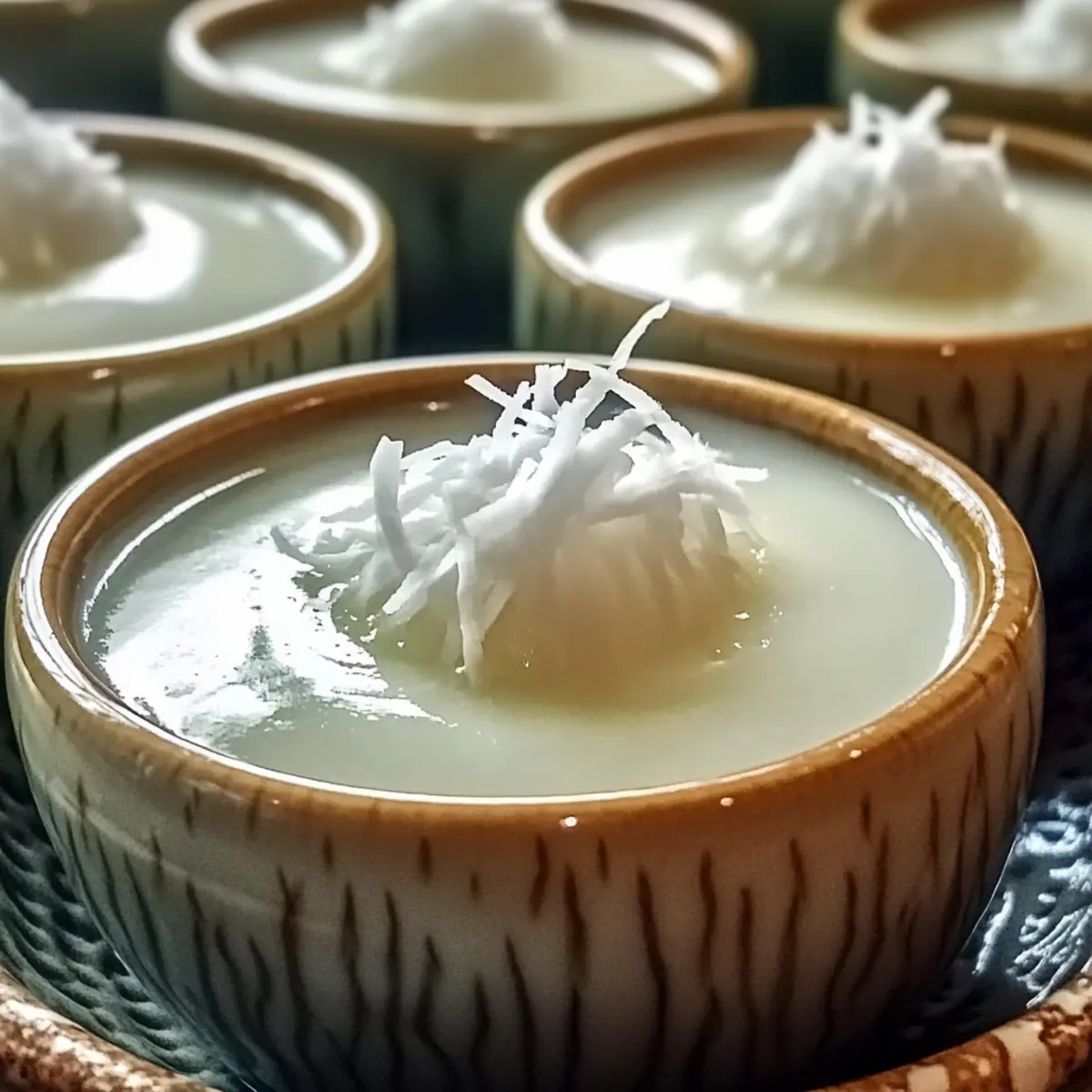
Why Is Thai Coconut Custard Irresistible?
Delightful layers of flavor: The enchanting pandan infusion gives this custard a unique taste that’s a treat for the senses.
Vegan & Gluten-Free: Enjoy this dessert guilt-free, accommodating various dietary preferences while still being crowd-pleasing.
Effortlessly Made: With simple ingredients and an easy steaming method, you’ll impress your guests without laboring in the kitchen.
Versatile Serving Options: Whether served warm or chilled, you can customize your custard with fresh fruits or nuts for texture and color.
Cultural Escape: Experience the essence of Thailand right from your home; it’s like a culinary mini-vacation with every bite!
For more delicious vegan offerings, don’t miss the Spicy Thai Red for a savory treat or indulge in the sweet flavors of French Antilles Coconut.
Thai Coconut Custard Ingredients
Get ready to delight in the flavors of Thailand with these essential ingredients!
For the Custard Base
• Rice Flour – Provides structure for the custard; you can substitute it with all-purpose flour, but expect a different texture.
• Tapioca Flour – Essential for a creamy texture; no substitutions are recommended for this key ingredient.
• Pandan Juice – Infuses the custard with a unique flavor and vibrant color, but diluted pandan extract can be used if fresh leaves are not available.
• Palm Sugar/Brown Sugar – Sweetens the custard with caramel undertones; coconut sugar is also a delightful alternative.
• Salt – Enhances sweetness and balances the flavors; sea salt is preferable for the best taste.
For the Coconut Cream Topping
• Coconut Cream – Adds richness to the topping; if you prefer a lighter texture, coconut milk works as a good alternative.
• Additional Rice Flour – Thickens the coconut cream mixture; no substitutions suggested for this ingredient to maintain consistency.
Dive into your cooking adventure and experience this delightful Thai Coconut Custard!
Step‑by‑Step Instructions for Thai Coconut Custard
Step 1: Prepare Cups
Begin by lightly greasing 12 small ceramic cups or mini muffin pans with vegetable oil to prevent the Thai Coconut Custard from sticking. Use a paper towel or a brush for even coverage. This step ensures that your custards will slide out effortlessly once they’re ready to serve, presenting beautifully to wow your family and friends.
Step 2: Mix Bottom Layer
In a mixing bowl, combine rice flour, tapioca flour, pandan juice, palm sugar, and a pinch of salt. Whisk these ingredients together until you achieve a smooth, lump-free batter. This mixture is the heart of your Thai Coconut Custard, so ensure everything is well blended. It should have a vibrant green hue from the pandan, indicating that the flavor is ready to shine.
Step 3: Steam Bottom Layer
Pour the mixture evenly into the prepared cups, filling them halfway. Set up your steamer and bring the water to a gentle boil before placing the cups in. Steam over medium heat for 5-6 minutes, or until the custard is set but still has a slight jiggle in the center. The surface should look firm yet soft, signaling it’s ready for the next layer.
Step 4: Combine Coconut Cream Topping
While the bottom layer is steaming, prepare the coconut cream topping. In another bowl, whisk together coconut cream, additional rice flour, and a pinch of salt. Mix until the mixture is creamy and smooth, ensuring there are no lumps. This creamy topping will contrast beautifully with the sweet, pandan-infused base, adding richness to your Thai Coconut Custard.
Step 5: Add Top Layer
Once the bottom layer is set, carefully pour the coconut cream mixture over the custard layer in each cup. Steam the cups for an additional 5-7 minutes, or until the topping is glossy and firm. The combined layers should look vibrant and inviting, creating a delightful presentation that highlights the classic Thai Coconut Custard.
Step 6: Cool and Serve
After steaming, carefully remove the cups from the steamer. Allow them to cool slightly at room temperature before serving. These treats can be enjoyed warm for a cozy dessert or chilled in the refrigerator for a refreshing finish. Perfectly cooled, your Thai Coconut Custard is ready to be displayed and enjoyed!
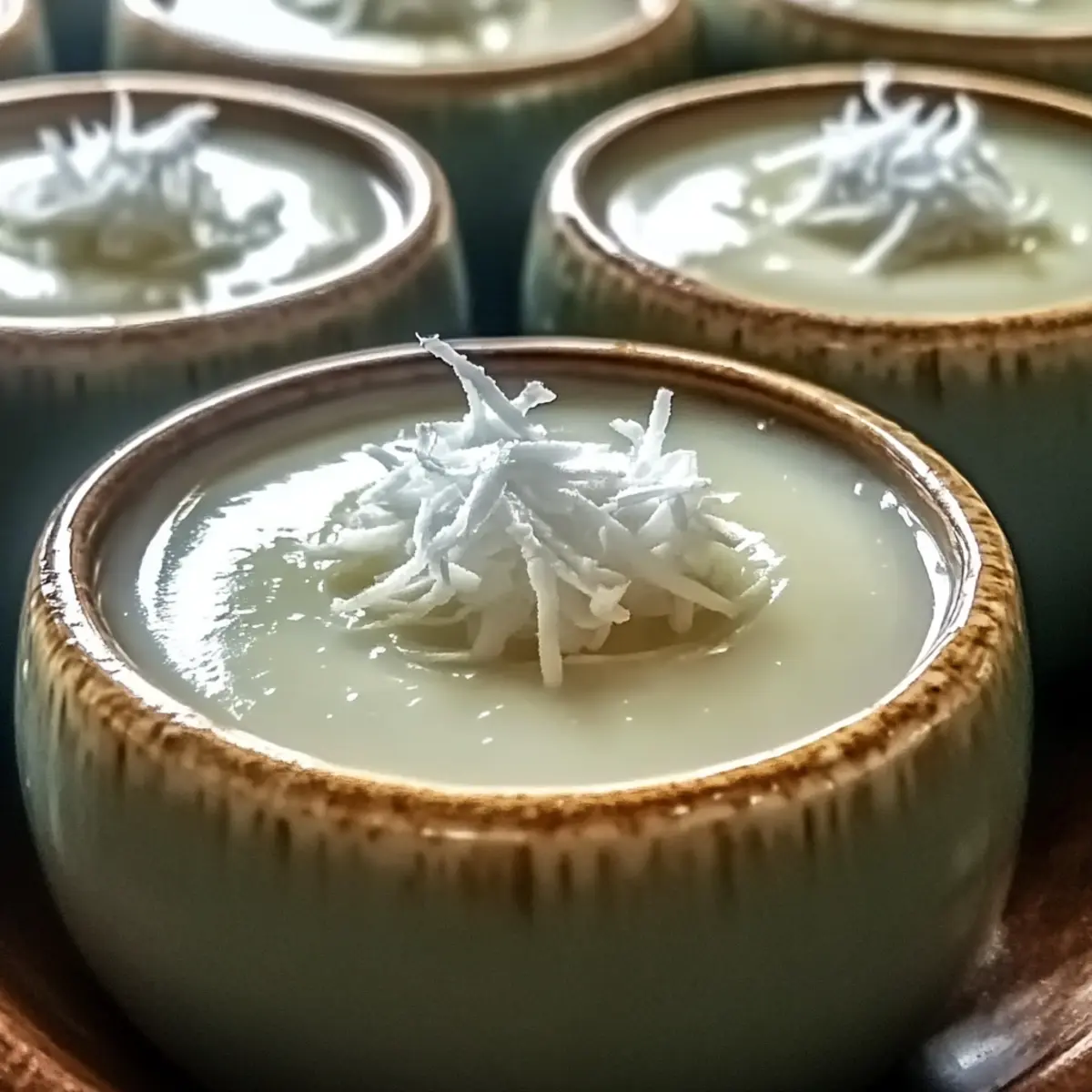
Expert Tips for Thai Coconut Custard
- Water Level Awareness: Make sure the water in the steamer doesn’t touch the custard cups; this keeps the custard texture perfect.
- Fresh is Best: Use fresh pandan leaves for authentic flavor; if unavailable, a diluted extract works as a backup.
- Grease Generously: Thoroughly grease your cups to prevent sticking; this ensures your Thai Coconut Custard releases easily for beautiful presentation.
- Adjust for Size: If using larger cups, adjust steaming time accordingly to ensure each layer cooks perfectly.
- Storage Savvy: Cover leftovers and store them in the fridge for up to 2 days, or freeze for up to 1 month to enjoy later.
How to Store and Freeze Thai Coconut Custard
- Fridge: Keep leftover Thai Coconut Custard covered in the fridge for up to 2 days. This keeps the custard fresh and prevents it from absorbing unwanted odors.
- Freezer: For longer storage, freeze the custards in an airtight container for up to 1 month. This preserves their delightful flavor and texture for your future enjoyment.
- Thawing: When ready to enjoy, thaw the frozen custards in the fridge overnight before serving. You can enjoy them cold or warm them gently in a steamer to restore their original texture.
- Serving Refresh: If you’ve frozen them and want to serve warm, simply steam them again until heated through. This will maintain that lovely silky consistency and flavor!
Thai Coconut Custard Variations & Substitutions
Feel free to let your imagination run wild with these delightful tweaks and swaps for your Thai Coconut Custard!
-
Sweetener Swap: Use maple syrup or agave in place of palm sugar for a lighter sweetness. It offers a wonderful natural flavor that pairs beautifully with coconut.
-
Flavor Boost: Add a splash of vanilla extract to the custard mix for an aromatic twist. This deepens the flavor profile and adds another layer of warmth to your dessert.
-
Colorful Creations: Incorporate finely grated pandan leaves in the bottom layer for an extra burst of green color and a stronger flavor. This will give your custard that beautiful, vibrant look!
-
Fruit Infusion: Mix in mashed banana or pureed mango into the custard base for a fruity twist. This adds both sweetness and a creamy texture, making each bite a tropical escape.
-
Tropical Garnish: Top with diced fresh papaya or passion fruit for an exotic finish. The tartness of the fruit provides a lovely contrast to the rich coconut cream!
-
Nutty Crust: Consider adding crushed nuts like toasted almonds or pistachios as a bottom crust before pouring in the custard. This brings a delightful crunch to the smooth texture of the custard, enhancing both flavor and experience.
-
Chili Kick: For a surprising heat element, mix in a pinch of chili powder or a few drops of sriracha into the coconut cream topping. It’s a bold twist that plays beautifully against the sweetness!
-
Serving Style: Serve in larger bowls for a unique presentation or try making bite-sized custard squares for fun finger food at gatherings. The way you serve it can elevate the whole experience!
For more delightful recipes, don’t forget to check out the flavors of Custard Apple Rice for a sweet finish, or enjoy a savory meal alongside this treat with Thai Style Soup.
What to Serve with Thai Coconut Custard?
Indulging in the velvety goodness of this Thai dessert invites you to create a full sensory experience that delights the taste buds.
- Crispy Spring Rolls: Their crunchy texture contrasts perfectly with the creamy custard, adding a delightful bite to your dessert spread.
- Fresh Mango Slices: The juicy sweetness of mango complements the custard’s flavors, while its vibrant color enhances your plate’s visual appeal.
- Coconut Sticky Rice: This soft, chewy treat mirrors the coconut theme, adding a comforting element that harmonizes beautifully.
- Toasted Coconut Flakes: Sprinkle these on top for a nutty crunch, elevating the custard’s presentation and adding rich flavor notes.
- Sweetened Black Sesame Balls: These chewy delights introduce a hint of nuttiness, bringing a pleasing contrast to the pandan-infused custard.
- Iced Thai Tea: The creamy, spiced notes of this drink complement the custard, creating a warm fusion of flavors that transports you straight to Thailand.
- Chocolate Drizzled Fruit Skewers: Skewers of fresh fruits topped with a rich chocolate drizzle provide a touch of decadence, enhancing the custard experience.
- Chilled Herbal Tea: Offering a refreshing palate cleanser, this light beverage balances the custard’s sweetness while infusing a hint of herbal fragrance.
- Coconut-based Sorbet: This dessert is a delightful way to cool off, echoing the custard’s tropical flavors while adding a refreshing touch to your meal.
Make Ahead Options
Preparing Thai Coconut Custard (Khanom Thuai) ahead of time can save you precious moments during busy days! You can mix the custard base and refrigerate it for up to 24 hours; just be sure to cover it tightly to prevent drying out. The coconut cream topping can be prepared simultaneously and stored in the refrigerator for the same duration. When you’re ready to serve, simply steam both layers together until heated through—aim for about 5-7 minutes after placing the top layer. This way, you’ll enjoy a delightful dessert that’s just as delicious as if made fresh, without any stress on your special occasion!
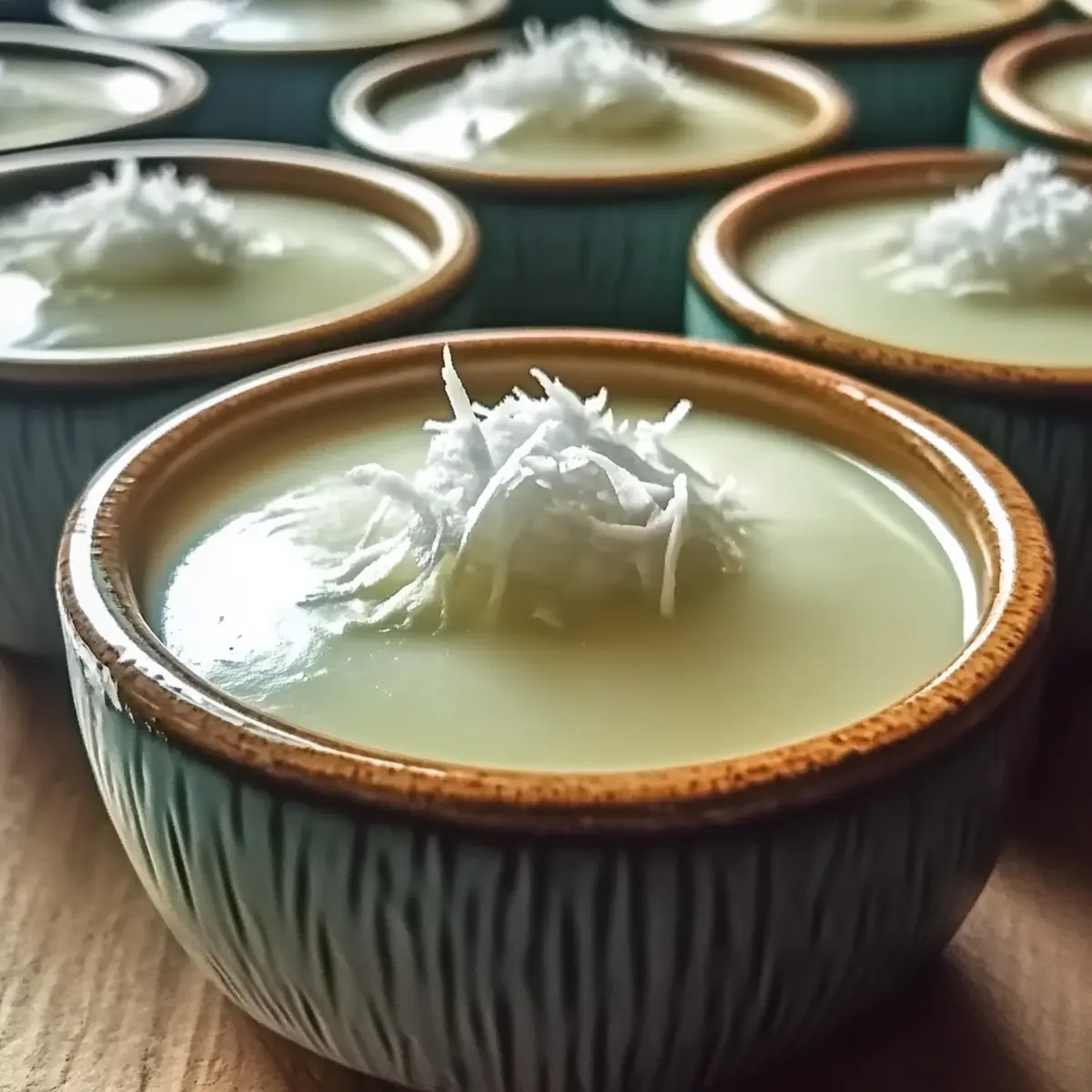
Thai Coconut Custard Recipe FAQs
How do I select ripe pandan leaves?
Absolutely! When choosing pandan leaves, look for vibrant green, fresh leaves without yellowing or dark spots. They should be flexible and fragrant, signaling freshness. If they are dried or have a faded color, their flavor will be significantly diminished.
What is the best way to store Thai Coconut Custard?
Very! Store any leftover Thai Coconut Custard in an airtight container in the fridge for up to 2 days. This keeps each delicate layer fresh and intact! If you want to keep it longer, you can freeze them for up to 1 month in an airtight container.
Can I freeze Thai Coconut Custard? If so, how?
Absolutely! To freeze Thai Coconut Custard, ensure it’s completely cooled. Wrap each cup tightly in plastic wrap or transfer them to an airtight container. Label with the date, and they will keep fresh for about 1 month. When you’re ready to eat, thaw them in the fridge overnight. You can enjoy them chilled or steam them briefly to warm!
What should I do if my custard doesn’t set properly?
Oh no! If your custard doesn’t set, it might be due to insufficient steaming time or the water touching the custard cups. Ensure that the water level in your steamer is adequate and does not touch the cups. If it’s still too soft, you can try steaming it for an additional few minutes to ensure it firms up properly.
Is Thai Coconut Custard safe for pets?
Great question! While coconut itself is safe for pets in small amounts, the sugars in palm or brown sugar found in the custard are not suitable for them. If your furry friends happen to sneak a bite, they should be fine, but it’s best to keep this dessert away from them to avoid any sugar-related issues.
Can I make substitutions for any of the ingredients?
Absolutely! If you don’t have tapioca flour, you can try using arrowroot flour, but the texture may differ slightly. For palm sugar, brown sugar or coconut sugar are excellent substitutes. However, I recommend sticking to the original ingredients where possible, especially for the tapioca flour, to keep the creamy consistency, as it plays a crucial role in achieving the perfect texture for your Thai Coconut Custard.
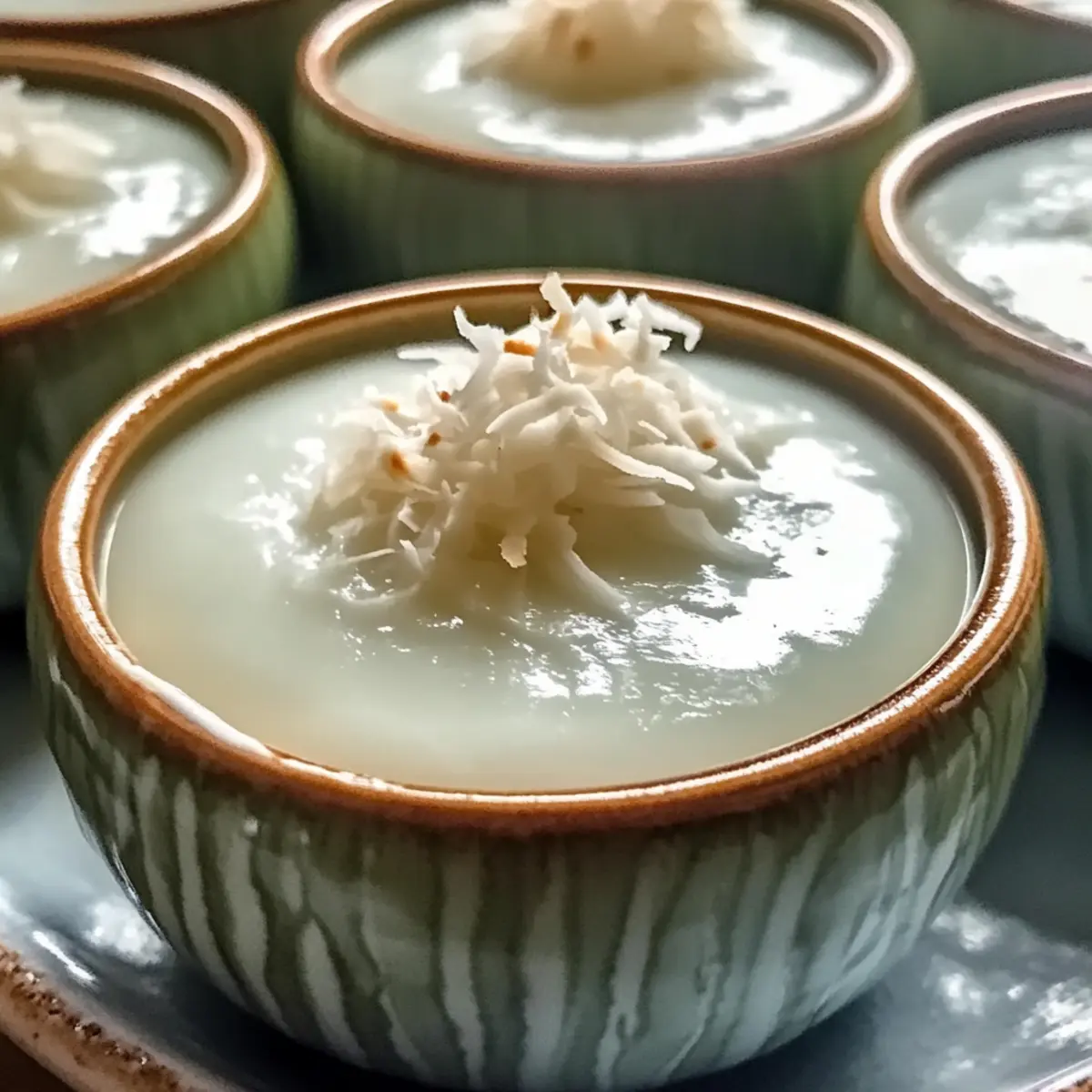
Irresistibly Creamy Thai Coconut Custard to Satisfy Your Sweet Tooth
Ingredients
Equipment
Method
- Begin by lightly greasing 12 small ceramic cups or mini muffin pans with vegetable oil to prevent sticking.
- In a mixing bowl, combine rice flour, tapioca flour, pandan juice, palm sugar, and a pinch of salt. Whisk together until smooth.
- Pour the mixture evenly into the prepared cups, filling them halfway. Steam for 5-6 minutes or until set.
- Prepare the coconut cream topping by whisking together coconut cream, additional rice flour, and a pinch of salt until creamy.
- Once the bottom layer is set, carefully pour the coconut cream mixture over the custard.
- Steam for an additional 5-7 minutes, or until the topping is glossy and firm.
- Allow to cool slightly at room temperature before serving.
Leave a Reply