
As the rich aroma of slowly simmering beef wafts through your home, you might find yourself transported to the bustling streets of Seoul, where the vibrant flavors of Korean cuisine create unforgettable memories. My Easy Slow-Cooker Korean Beef captures that essence with tender beef enveloped in a slightly sweet and spicy sauce that’s remarkably simple to prepare. This dish is a game-changer for busy weeknights, requiring minimal hands-on time while delivering a warm, comforting meal everyone at the table will love. Plus, you can adjust the sweetness to your taste, making it truly customizable. Ready to indulge in a mouthwatering one-pot marvel? Let’s dive into the details of this delightful recipe that’s bound to become a family favorite!
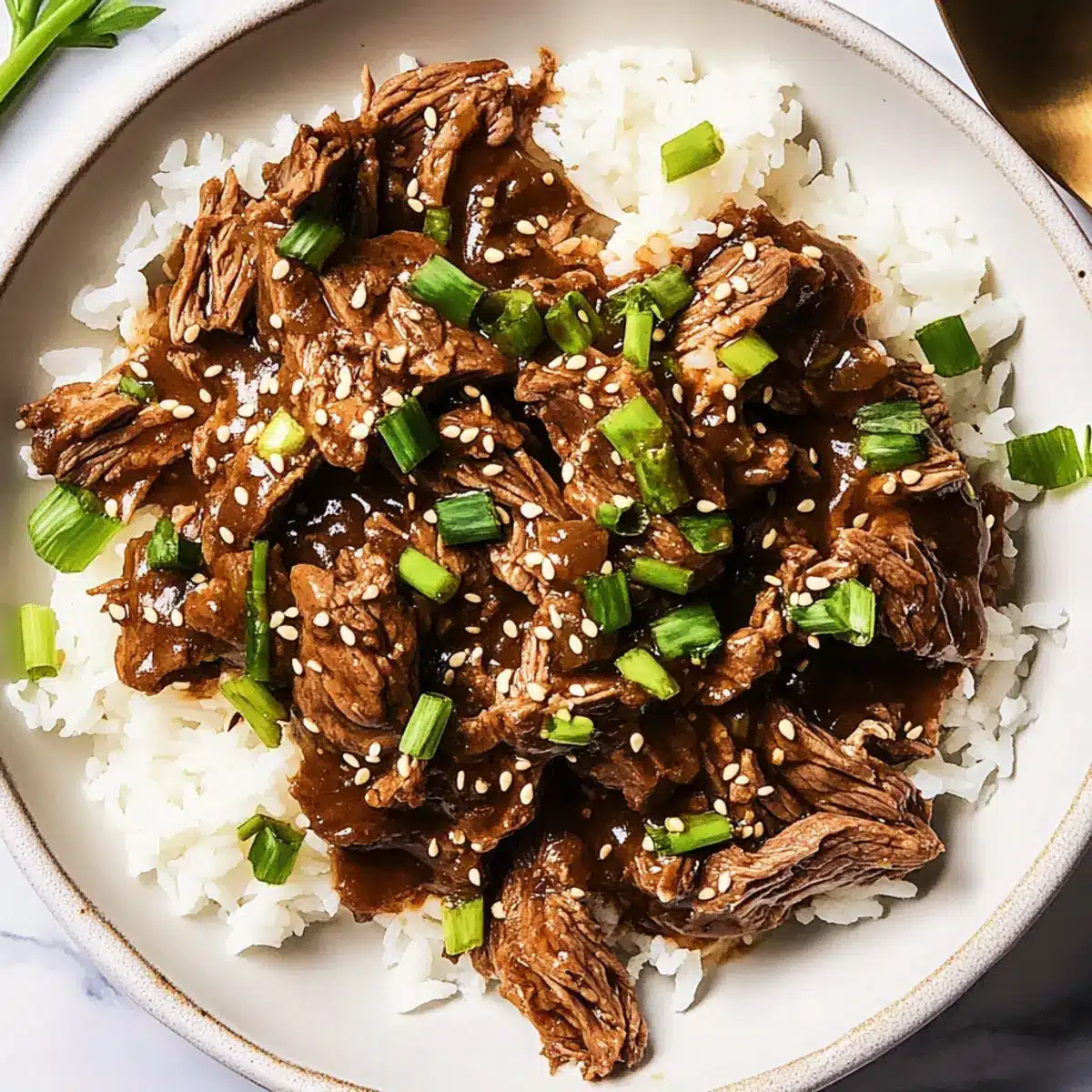
Why is this dish a must-try?
Simplicity at its best: With just a handful of ingredients and a slow cooker, you can create a flavor-packed meal without hours of kitchen labor.
Rich, savory flavor: Each bite of this Slow-Cooker Korean Beef is brimming with a delightful blend of sweet, spicy, and umami notes that will excite your taste buds.
Customizable sweetness: Easily adjust the sugar level to suit your preference, whether you prefer a hint of sweetness or something more savory.
One-pot convenience: Spend less time cleaning up and more time enjoying your meal. This dish offers the ease of a single pot for a complete meal!
Crowd-pleaser vibes: Ideal for family dinners or small gatherings, this dish will impress your guests and leave everyone asking for seconds.
For more quick and delicious dinner ideas, check out the hearty Ginger Beef Stir or the comforting flavors of Beef Manhattan Cozy.
Slow-Cooker Korean Beef Ingredients
• Get ready to create a truly flavorful experience!
For the Beef and Sauce
- 2” piece ginger – Adds warmth and aromatic flavor; can be substituted with ground ginger (1 tsp).
- 4 cloves garlic – Provides a robust savory note; fresh is best, though powdered garlic can work in a pinch (1 tsp).
- 3/4 cup low-sodium beef broth – Offers moisture and depth; homemade or store-bought is fine, or use vegetable broth for a lighter option.
- 1/2 cup packed light brown sugar – Sweetens the dish; reduce to 1/4 cup for less sweetness or use coconut sugar for a healthier option.
- 1/3 cup reduced-sodium soy sauce – Imparts saltiness and umami flavor; for gluten-free, use tamari or coconut aminos.
- 1/4 cup gochujang – This Korean chili paste adds heat and richness; it’s key to the flavor, so no substitute is recommended.
- 2 Tbsp. toasted sesame oil – Adds a nutty aroma; can be replaced with olive oil in a pinch, but flavor will differ.
- 2 Tbsp. unseasoned rice vinegar – Balances sweetness with acidity; white wine vinegar or apple cider vinegar can be used as substitutes.
- 1 Tbsp. cornstarch – Used for thickening the sauce; can be omitted for a thinner sauce; tapioca starch is a viable alternative.
- 4 lb. beef shoulder – The main protein that becomes tender when slow-cooked; brisket or chuck roast can also work well.
For Serving
- Cooked white rice – Pairs beautifully with the beef; quinoa or cauliflower rice are excellent low-carb alternatives.
- Chopped scallions, cilantro, toasted sesame seeds – Garnishes that add freshness and texture, elevating your Slow-Cooker Korean Beef experience.
Step‑by‑Step Instructions for Slow-Cooker Korean Beef
Step 1: Prep the Ingredients
Begin by finely chopping a 2-inch piece of ginger and 4 cloves of garlic. Next, take your 4-pound beef shoulder and cut it into 1½-inch pieces, trimming any excess fat. As you prepare these key ingredients, let your slow cooker come to rest nearby, ready to embrace the delicious Slow-Cooker Korean Beef.
Step 2: Mix the Sauce
In a mixing bowl, whisk together ¾ cup of low-sodium beef broth, ½ cup of packed light brown sugar, ⅓ cup of reduced-sodium soy sauce, ¼ cup of gochujang, 2 tablespoons of toasted sesame oil, 2 tablespoons of unseasoned rice vinegar, and 1 tablespoon of cornstarch. Stir until well combined, ensuring the cornstarch is fully dissolved to avoid clumping in your sauce, which will coat the beef beautifully.
Step 3: Combine in Slow Cooker
Place the cut beef pieces directly into the slow cooker, ensuring they are in an even layer. Carefully pour the sauce mixture over the beef, then give it a gentle stir to coat every piece thoroughly. This step is vital for achieving the rich, savory flavor that defines your Slow-Cooker Korean Beef, preparing it for the magic of slow cooking.
Step 4: Cook
Cover the slow cooker with its lid and set it to cook on high for 5-6 hours or low for 8-10 hours. The longer cooking time results in incredibly tender beef that practically falls apart. Check for doneness; the beef should be tender and easily shredded with a fork, showcasing the essence of slow-cooked comfort food.
Step 5: Serve
Once the beef is cooked to perfection, scoop generous portions over cooked white rice. For added freshness, sprinkle chopped scallions, cilantro, and toasted sesame seeds on top. This final touch enhances both the presentation and flavor of your Slow-Cooker Korean Beef, making it a delightful feast for the eyes and palate.
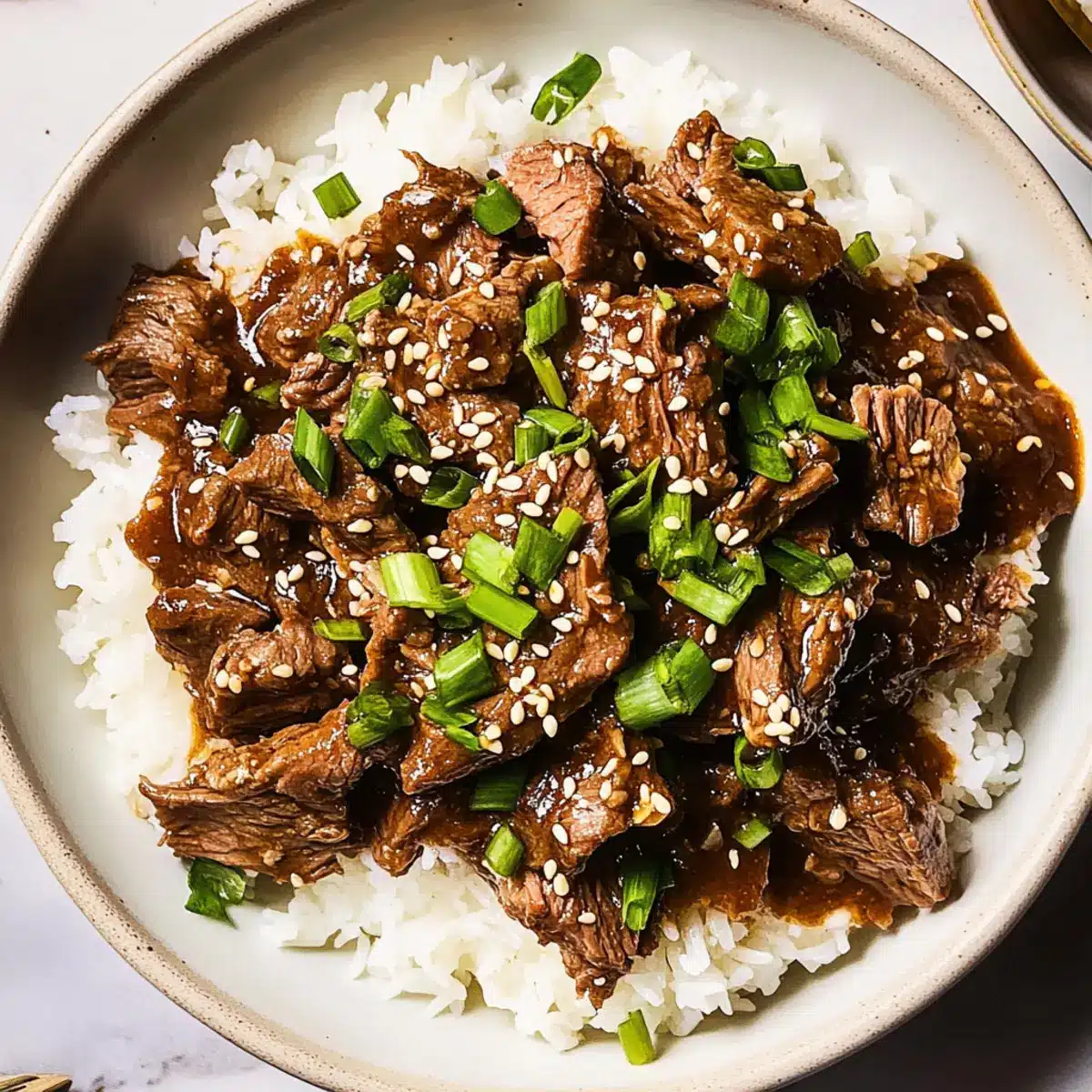
Slow-Cooker Korean Beef Variations
Feel free to get creative and make this dish your own! Each variation enhances the flavors and personalizes the experience.
-
Lower Sugar: Reduce the brown sugar to 1/4 cup for a less sweet taste. A more savory base lets the gochujang shine!
-
Instant Pot Twist: Use an Instant Pot to cook in about an hour. Perfect for those nights when time is tight but flavor is non-negotiable.
-
Spicy Kick: Add sliced jalapeños during the last hour of cooking for an extra fiery touch. The resulting heat beautifully balances the sweet sauce!
-
Veggies Galore: Toss in bell peppers, carrots, or broccoli for a nutrition boost. These colorful additions create a vibrant and hearty meal.
-
Non-Beef Options: Swap the beef for chicken thighs or pork shoulder. Each option brings a unique flavor while remaining tender and juicy.
-
Gluten-Free Choice: Replace soy sauce with tamari or coconut aminos to cater to gluten-free diets. Your taste buds won’t even notice the difference!
-
Coconut Flavor: Swap sesame oil for coconut oil to introduce a tropical flair. This twist adds an unexpected depth that’s simply delightful!
-
Serving Suggestions: Serve with quinoa or cauliflower rice rather than traditional white rice for a lower-carb alternative. It brightens up each bite!
For a comforting twist, why not try these delightful variations along with your Slow-Cooker Korean Beef? If you’re in the mood for something different, consider a zhuzh of flavors with Beef Bulgogi Savor, or explore the magic of Asian-style Ground Beef Lettuce Wraps for a quick, fun twist!
Expert Tips for Slow-Cooker Korean Beef
-
Trim the Fat: Ensure the beef shoulder is trimmed of excess fat to prevent a greasy sauce and to enhance flavor.
-
Customize the Sweetness: Adjust the amount of brown sugar according to your taste preferences, allowing for a more personalized Slow-Cooker Korean Beef experience.
-
Thicken Wisely: If you desire a thicker sauce, mix the cornstarch with a little water after cooking and return it to heat to thicken properly.
-
Watch the Gochujang: Start with a smaller amount of gochujang if you’re sensitive to spice, gradually adding more to achieve your desired heat level.
-
Add Veggies: Consider throwing in bell peppers, carrots, or broccoli halfway through the cooking time for extra nutrition and flavor complexity!
-
Leftover Love: Don’t forget that leftovers are great! Use any remaining Slow-Cooker Korean Beef for delicious tacos or sandwiches the next day.
Make Ahead Options
Slow-Cooker Korean Beef is an ideal choice for meal prep enthusiasts! You can chop the ginger, garlic, and beef up to 24 hours in advance and keep them refrigerated in an airtight container to save time. The sauce can also be mixed ahead (just refrigerate it separately) to maintain its fresh flavors. When you’re ready to cook, simply combine the ingredients in the slow cooker and pour the sauce over the beef. Adjust cooking times as necessary; slow cooking ensures it stays tender and rich in flavor. This way, you’ll have a delicious home-cooked meal ready with minimal evening effort, perfect for busy weekdays!
What to Serve with Easy Slow-Cooker Korean Beef
As you savor the tender, melt-in-your-mouth beef enveloped in a rich, sweet-spicy sauce, think about what delicious sides can complement this dish for a comforting, well-rounded meal.
- Steamed Broccoli: A vibrant, crunchy addition that enhances the meal’s nutrition while its earthy flavor balances the dish’s sweetness.
- Cabbage Slaw: This refreshing slaw, with its crisp texture and zingy dressing, adds a delightful crunch that contrasts perfectly with the tender beef.
- Sesame Green Beans: Lightly sautéed with sesame oil, these beans bring a nutty flavor that echoes the main dish while adding color and vibrancy to your plate.
- Kimchi: A traditional Korean side, kimchi offers a spicy, tangy kick that cuts through the richness of the beef, bringing an authentic taste to your meal.
- Ginger Rice: Fluffy rice infused with ginger complements the flavors of the beef, providing a fragrant base that absorbs the sauce beautifully.
- Spicy Tofu Bites: Add a protein twist with crispy tofu, which can soak up the same sauce, providing an excellent option for vegetarian guests.
- Chilled Soba Noodles: These buckwheat noodles served cold create a lovely, refreshing contrast to the warm comfort of the Korean beef, making each bite enjoyable.
- Miso Soup: A comforting cup of miso soup brings umami depth and warmth to your meal, making it the perfect beverage to sip while enjoying your dish.
- Sesame Mochi Bites: For a sweet finish, serve these chewy Japanese treats sprinkled with sesame seeds – they’re an ideal way to end a delightful meal.
How to Store and Freeze Slow-Cooker Korean Beef
-
Fridge: Store leftovers in an airtight container for up to 3 days. Allow the beef to cool completely before refrigerating to preserve its delicious flavor.
-
Freezer: Freeze Slow-Cooker Korean Beef in a freezer-safe container for up to 3 months. Portion out servings for easy meal prep!
-
Reheating: To reheat, thaw overnight in the fridge. Gently warm on the stovetop or in the microwave, adding a splash of broth if needed to restore moisture.
-
Stay Fresh: Keep the beef sauce on top of the meat when storing to help retain moisture, ensuring a delightful meal awaits whenever you’re ready to enjoy it again.
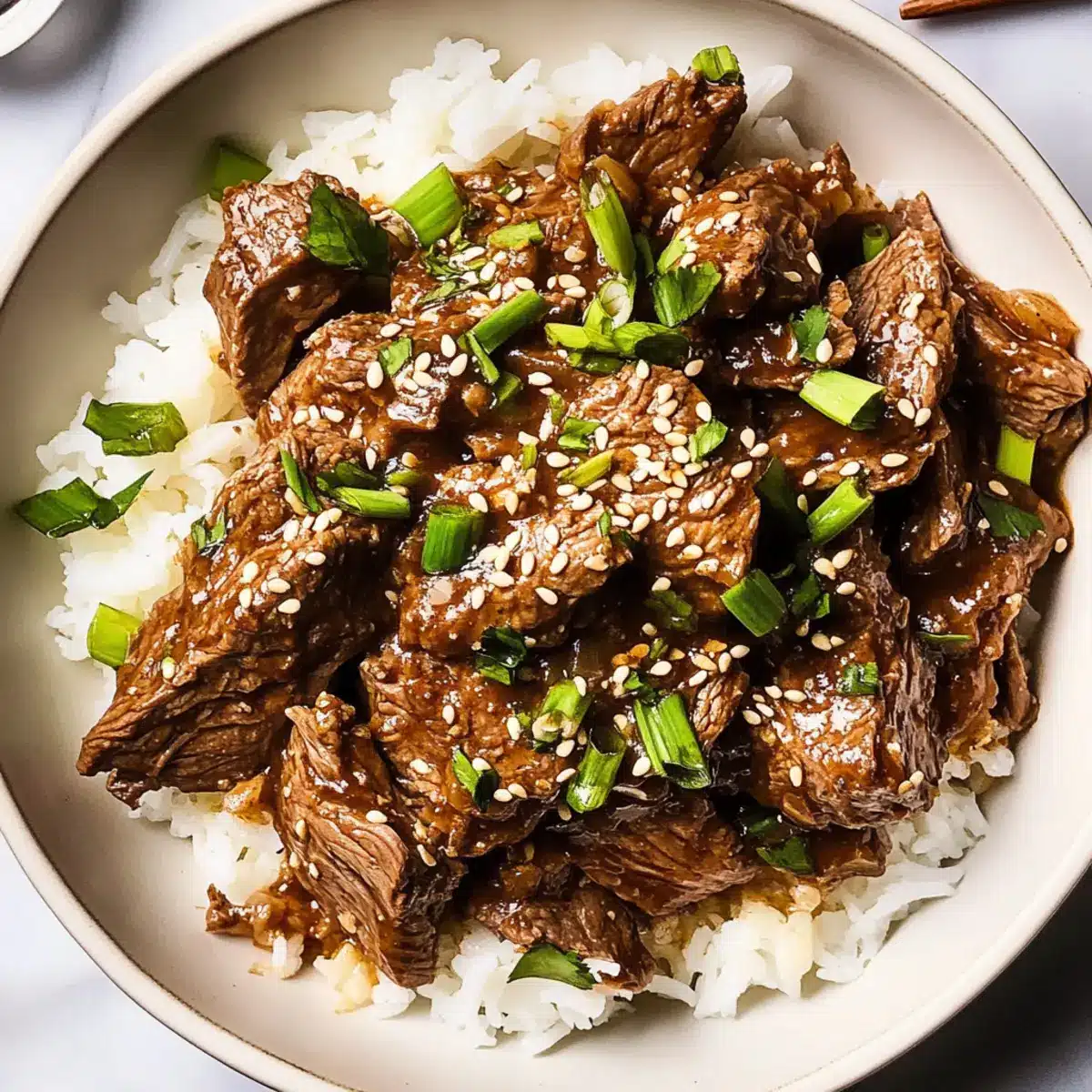
Slow-Cooker Korean Beef Recipe FAQs
What type of beef should I use for Slow-Cooker Korean Beef?
For the best results, I recommend using beef shoulder, which becomes wonderfully tender after slow cooking. You can also use brisket or chuck roast if those are more readily available. Just make sure to trim any excess fat for optimal flavor and texture!
How can I store leftovers of Slow-Cooker Korean Beef?
Store any leftovers in an airtight container in the refrigerator for up to 3 days. It’s essential to let the beef cool completely before refrigerating to maintain its delicious flavor. When ready to enjoy, simply reheat gently on the stovetop or microwave for a warm, comforting meal!
Can I freeze Slow-Cooker Korean Beef?
Absolutely! You can freeze Slow-Cooker Korean Beef in a freezer-safe container for up to 3 months. To do this, allow the dish to cool completely, then portion it into servings. When you’re ready to eat, thaw overnight in the refrigerator and reheat on the stovetop or microwave, adding a touch of broth to restore moisture.
What can I do if my sauce is too thin after cooking?
If you find that your sauce is thinner than desired, you can thicken it easily! After the beef is cooked, mix 1 tablespoon of cornstarch with 2 tablespoons of cold water in a small bowl until smooth. Stir this mixture into the sauce while it’s on heat, and cook for a few minutes until it thickens to your liking. This trick works wonders for achieving the perfect consistency!
Are there any dietary considerations for Slow-Cooker Korean Beef?
Yes! If you’re following a gluten-free diet, be sure to use tamari or coconut aminos instead of regular soy sauce. Also, if you’re sensitive to spice, start with less gochujang and gradually add more to fit your palate. For those concerned about sugar, feel free to reduce the brown sugar content or substitute it with coconut sugar for a healthier option.
How can I adjust the sweetness in my Slow-Cooker Korean Beef?
Adjusting the sweetness is easy! If you prefer a less sweet dish, you can decrease the brown sugar to 1/4 cup instead of 1/2 cup. Alternatively, you can also experiment with using honey or maple syrup in place of the brown sugar for a different flavor profile while still keeping it deliciously sweet!
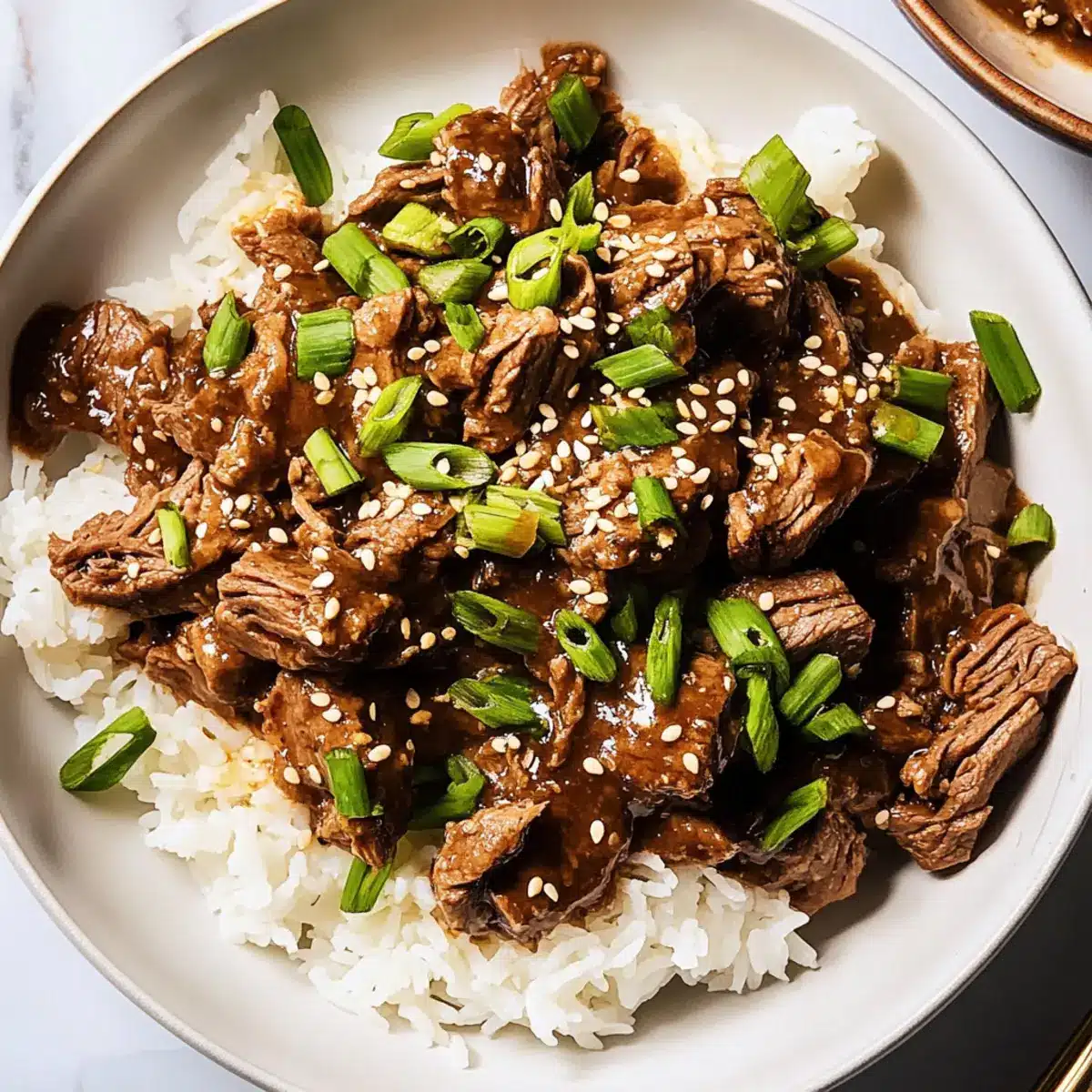
Mouthwatering Slow-Cooker Korean Beef for Cozy Nights
Ingredients
Equipment
Method
- Begin by finely chopping a 2-inch piece of ginger and 4 cloves of garlic. Next, take your 4-pound beef shoulder and cut it into 1½-inch pieces, trimming any excess fat.
- In a mixing bowl, whisk together ¾ cup of low-sodium beef broth, ½ cup of packed light brown sugar, ⅓ cup of reduced-sodium soy sauce, ¼ cup of gochujang, 2 tablespoons of toasted sesame oil, 2 tablespoons of unseasoned rice vinegar, and 1 tablespoon of cornstarch. Stir until well combined.
- Place the cut beef pieces directly into the slow cooker and pour the sauce mixture over the beef, then gently stir to coat every piece thoroughly.
- Cover the slow cooker with its lid and set it to cook on high for 5-6 hours or low for 8-10 hours.
- Once the beef is cooked to perfection, scoop generous portions over cooked white rice and sprinkle with chopped scallions, cilantro, and toasted sesame seeds.
Leave a Reply